Commercial Escalators
Inspection of escalators in shopping centres, department stores and office buildings.
Escalators & Moving Walkways
Independent inspections of escalators and moving walkways across London, in shopping centres, offices, hospitals, transport hubs and public buildings. Every inspection covers the steps, comb plates, skirts, handrails, drive machinery, brakes, controller and safety switches. We work out of hours, before opening, after closing or overnight, so escalators stay in service while the building is busy. The written report, with photographs, comes the same day, and we remind you before the next inspection is due.
Escalator inspection overdue? You're exposed to enforcement action, and your insurance may not respond, until it's resolved.
Engineering Approach
Independent, defensible inspection by an engineer with deep hands-on plant experience.
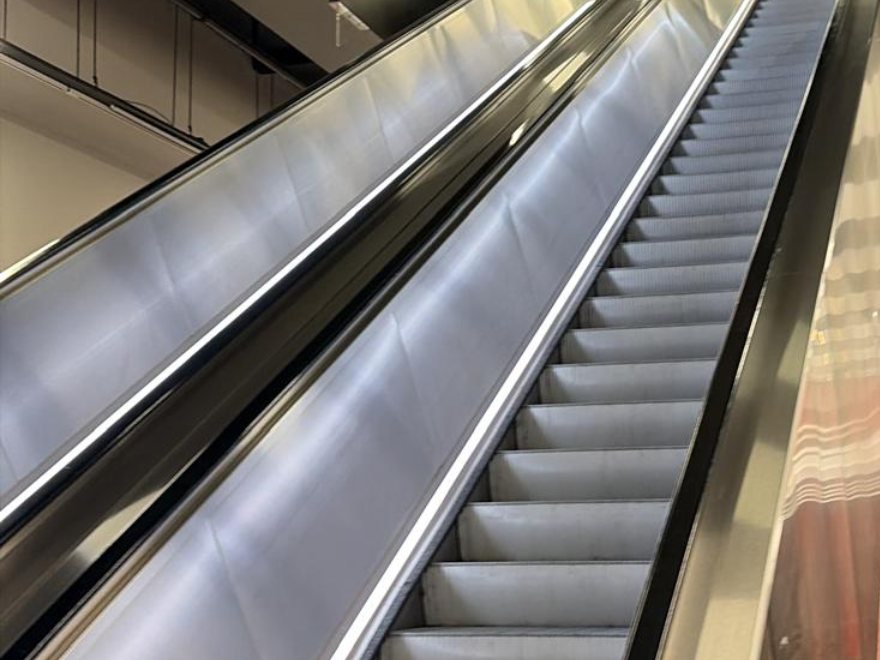
Escalators injure people mainly through falls and trapping, so the inspection concentrates on the gaps, the stopping performance and the safety switches, and on the machinery that drives them:
Comb plates and skirt gaps get particular attention, because that is where shoes and clothing get caught.
If the company that maintains your escalator also inspects it, it is checking its own work, and any defect it finds is work it can quote for. We sell no maintenance, repairs, parts or modernisation, so a defect on our report is never a sales pitch.
We still work alongside your maintainer, and agree the visit with them so that the escalator is out of service only once.
HSE's guidance is that LOLER does not apply to escalators, even though they carry people between levels. Regulation 19 of the Workplace (Health, Safety and Welfare) Regulations 1992 requires them to function safely, with the necessary safety devices and emergency stops. As work equipment they also come under PUWER 1998, which requires inspection by a competent person at suitable intervals. BS EN 115 is the safety standard for their design. No interval is fixed in law, but guidelines drawn up in consultation with HSE recommend a thorough examination normally every six months, on top of routine maintenance.
LOLER or PUWER: which applies?A written inspection report identifying the escalator, what was checked, any defect with how serious it is and what must be done and by when, and when the next inspection should be. On top of that:
If anything is not safe to use, you are told in writing before we leave. Because we sell no repairs, a defect on the report is never a quotation in disguise.
We inspect escalators and moving walkways across London, from the City, Canary Wharf and the West End to the outer boroughs: shopping centres and department stores, office buildings, hospitals, hotels, museums and transport hubs.
Visits are timed around your opening hours, so that escalators are out of service only while the building is closed or quiet.
Everything we inspect in LondonAsset classes covered under our escalator inspection programme.
Inspection of escalators in shopping centres, department stores and office buildings.
Examination of horizontal and inclined travelators in transport interchanges, airports and large retail estates.
Inspection of high-rise escalators in atriums, transport stations and mixed-use developments.
Trusted by Critical Estates
SAFed-aligned defect classification, and the endorsement below is a genuine NHS Trust quote — not stock marketing copy.
“Exceptional response times and thorough documentation. Managing compliance across multiple critical medical estates is complex, but their team makes statutory lift auditing seamless.”
Independent escalator inspections across London.
Common Questions
Tell us what needs inspecting and where. We'll reply within one business hour.
Already have an asset list or examination schedule? Email it to info@integrityliftcompliance.co.uk and we'll come back with a survey plan rather than ask you to retype it.