Integrity Lift Compliance

Sector — Retail

LOLER Inspections for Retail & Shopping Centres

A shopping centre runs vertical transport as a trading asset. Taking a passenger lift or an escalator out of service on a Saturday is not a maintenance decision, it is a revenue one — and the inspection dates do not move to suit the trading calendar.

26+ Years Hands-On Engineering Experience
Independent of Maintenance Contracts
7 Days a Week, 6am to 6pm
Same-Day Reports, With Photos

Certificate expired or lift out of compliance? You're exposed to enforcement action, and your insurance may not respond, until it's resolved. What to do.

Call Office, 07496 873972

What Makes This Sector Different

The compliance pressures specific to retail and shopping centres

Escalators are PUWER, not LOLER

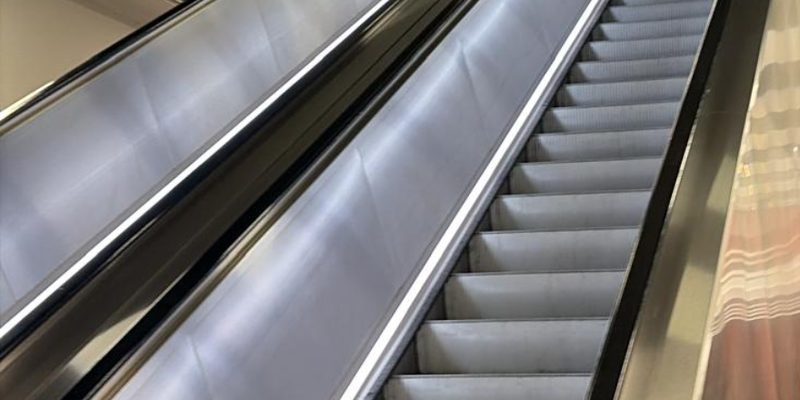
HSE's guidance is that LOLER does not apply to escalators, even though they carry people between levels — they come under the Workplace Regulations and PUWER 1998, with BS EN 115 as the design standard. Retail estates frequently put them on the LOLER register, but no LOLER date applies. Guidelines drawn up in consultation with HSE recommend a thorough examination normally every six months instead, and the interval you set should be written down.

Access windows are trading hours

Examinations are planned around opening times, delivery slots and footfall, including early-morning and out-of-hours attendance. A lift isolated at the wrong hour costs more than the examination.

Common parts, demised units, and who holds the duty

In a centre, the mall lifts and escalators usually sit with the landlord while a goods lift inside a demised unit may sit with the tenant. An inspector looks at who had control of the equipment, not at whose name is on the service contract.

Our Experience Here

Why we say this

Retail and shopping centre estates are part of Mark's 26+ years of lifting equipment engineering experience, alongside the commercial property portfolios described on our about page.

Who enforces here

The local authority. Shops, shopping centres and retail premises are council-enforced, so it is your borough's environmental health team — not HSE — who would look at your lift and escalator records.

Talk to the engineer, not a call handler

Every survey is scoped by an engineer who has worked on this class of plant. If your question is whether a particular machine falls under LOLER, PUWER or both, that is a conversation worth having before you book anything.

Call 07496 873972

Trusted by Critical Estates

Independent. Defensible. Genuinely Endorsed.

SAFed-aligned defect classification, and the endorsement below is a genuine NHS Trust quote — not stock marketing copy.

NHS
NHS
Critical estate passenger lift compliance experience
SK
Skanska
Construction & engineering compliance support
A·B·C
SAFed-Aligned Defect Grading
Defects graded A, B or C to the published SAFed severity scale — a grading standard we follow, not a membership we hold
DBS
Enhanced DBS
Director Mark Crowley holds an enhanced DBS check
NHS Trust Endorsement
“Exceptional response times and thorough documentation. Managing compliance across multiple critical medical estates is complex, but their team makes statutory lift auditing seamless.”
Phillip Nai
Critical Healthcare Estates Manager
Barts Health NHS Trust

Common Questions

Retail & Shopping Centres — Common Questions

Do you carry out LOLER inspections for retail and shopping centres?

Yes. Retail and shopping centre estates are part of Mark's 26+ years of lifting equipment engineering experience, alongside the commercial property portfolios described on our about page. We examine the classes of plant listed on this page, and every survey is scoped by an engineer with a background in that equipment.

Escalators are PUWER, not LOLER — what does that mean in practice?

HSE's guidance is that LOLER does not apply to escalators, even though they carry people between levels — they come under the Workplace Regulations and PUWER 1998, with BS EN 115 as the design standard. Retail estates frequently put them on the LOLER register, but no LOLER date applies. Guidelines drawn up in consultation with HSE recommend a thorough examination normally every six months instead, and the interval you set should be written down.

Access windows are trading hours — what does that mean in practice?

Examinations are planned around opening times, delivery slots and footfall, including early-morning and out-of-hours attendance. A lift isolated at the wrong hour costs more than the examination.

Common parts, demised units, and who holds the duty — what does that mean in practice?

In a centre, the mall lifts and escalators usually sit with the landlord while a goods lift inside a demised unit may sit with the tenant. An inspector looks at who had control of the equipment, not at whose name is on the service contract.

Are you independent of maintenance contractors?

Yes. We do not sell maintenance, repairs, spares or replacement plant, so a defect recorded in a Report of Thorough Examination is never a quotation in disguise. For a duty-holder presenting compliance evidence to an insurer, a client or the HSE, that separation is worth being able to state plainly.

Request a Retail Compliance Survey

Tell us what you have and where. We'll reply within one business hour, and you'll deal with an engineer familiar with retail and shopping centres.

Already have an asset list or examination schedule? Email it to info@integrityliftcompliance.co.uk and we'll come back with a survey plan rather than ask you to retype it.

Survey Request Form